Understanding the Arizona Turkey Draw: A Complete Guide to Drawing a Spring Turkey Tag

Arizona’s Merriam’s turkey hunting is some of the best in the country and drawing a spring turkey tag is one of the more achievable goals in the Arizona draw system compared to elk or deer. That said, there is still a process to understand, deadlines to hit, and mistakes to avoid. This guide walks you through everything you need to know to apply correctly, build points strategically, and eventually stand in a ponderosa pine forest at first light listening to a gobbler sound off from his roost tree.


Do You Need a Draw Tag for Arizona Spring Turkey

Yes. Spring turkey in Arizona is a draw only hunt. There are no over the counter spring turkey tags. You must apply through the Arizona Game and Fish Department draw system during the designated application window and be selected in the draw. If you want to hunt spring turkey in Arizona you need to be applying every single October without fail.


When to Apply: The October Draw Cycle

The spring turkey draw is part of Arizona’s third draw cycle of the year, which also covers spring javelina, spring bear, and spring bison. This draw cycle opens in mid September and the deadline falls on the first Tuesday of October each year.

For the 2027 spring season the deadline will fall in early October 2026. For reference the 2026 spring season deadline was October 7th, 2025 at 11:59 PM Arizona time. Draw results for spring turkey are typically released in late October, and successful applicants receive their tags by late November. AZGFD also offers an electronic tag option through the free Arizona E-Tag app available on Apple and Google Play, which delivers your tag digitally if you opt in through your portal account before the October 20th deadline.

Mark the first Tuesday of October on your calendar every year as a hard deadline. This is non-negotiable.


How the Draw Works

Arizona’s turkey draw runs the same three pass system used for all big game species in the state.

In the first pass, tags are allocated to applicants with the highest bonus point totals. This is the bonus point pass and it rewards hunters who have been applying consistently over multiple years.

In the second pass, remaining tags are distributed through a weighted random draw. Your bonus points determine how many entries you have in this random pool, but every applicant regardless of point total has at least one chance. This is what makes Arizona’s system fair to newer hunters while still rewarding long term commitment.

In the third pass, any remaining leftover tags are distributed. By this point most tags have already been allocated.

You can list up to five hunt choices on your application but Arizona only seriously considers your first and second choice in the draw passes. Choose those top two carefully.


How the Bonus Point System Works for Turkey

Every year you apply for spring turkey and do not draw a tag you earn one bonus point for that species. Turkey points are completely separate from elk, deer, and other species. Your elk points do nothing for your turkey odds and vice versa.

The loyalty point applies to turkey just like all other species. Apply for five consecutive years without missing and you automatically earn an additional loyalty bonus point on top of your regular accumulation.

The purge rule also applies. If you fail to apply for spring turkey for five consecutive years your bonus points for that species are completely wiped out. You start back at zero with no exceptions. If you are not hunting a particular year submit a bonus point only application. It protects everything you have built for the same cost as a regular application.

Draw odds for spring turkey are generally more favorable than premium elk or deer units, but the most coveted units like Unit 1 on the Kaibab can still require several years of points to draw consistently. Some hunters on Arizona hunting forums report accumulating 20 or more turkey points while holding out for specific trophy units like the Gould’s turkey tags in southern Arizona, which are among the hardest turkey tags in the state to draw.


What It Costs to Apply

You need a valid Arizona hunting license before you can submit an application. For residents a general hunting license costs $37. For non-residents the combination hunting and fishing license costs $160 and is valid for 365 days from purchase, not just the calendar year.

Your license must be valid both when you submit your application and on the application deadline date. Short term licenses do not qualify. Only a standard hunting license or combination hunt and fish license is valid for draw applications.

The non-refundable application fee is $13 per species for residents and $15 per species for non-residents. You pay this whether you draw or not.

If you draw a tag AZGFD automatically charges the card on file for the full tag price. If your card is declined they will not contact you. They move immediately to the next applicant and your tag is forfeited. Check your payment card information before October every year without exception.


What You Need Before You Apply

You need three things before you can submit a turkey draw application.

First, a valid Arizona hunting license purchased through the AZGFD portal at license.azgfd.com. When you purchase online your license number appears at the bottom of your receipt. Save it because you need it during the application process.

Second, your Customer ID. This is your unique identifier in the AZGFD system. You can find it by logging into your portal account, checking a license purchased online, using the retrieval tool at customerlookup.azgfd.com, or calling AZGFD at 602-942-3000 between 8 AM and 5 PM Monday through Friday.

Third, an AZGFD portal account. Create one at accounts.azgfd.com if you do not already have one. Your portal account is the only place where draw results are posted. AZGFD does not mail draw result notifications. If you do not have a portal account you will not know whether you drew until your tag shows up or does not show up in the mail.


The Lifetime Bonus Point for Hunter Education

Arizona offers a permanent lifetime bonus point for completing the AZGFD hunter education course or the Ethically Hunting Arizona online course. This extra point applies to every species you ever apply for including turkey and compounds in value over time. For residents the course costs $150 and for non-residents it costs $300. It can take two weeks to a month for the point to appear in your account so do not wait until the last minute before application season.


PointGuard: Protecting Your Investment

Arizona offers a PointGuard program worth knowing about. If you draw a turkey tag and purchase PointGuard at the time of your application you can surrender that tag before the hunt opens and have all your bonus points reinstated plus receive a point for that year’s application. You forfeit the tag fees but protect your points entirely.

This is a safety net for life circumstances that prevent you from hunting after drawing. You can only use PointGuard once per species and cannot use it again until your bonus points for that species are purged. PointGuard Plus offers the same protection and no longer requires a portal account to purchase.


Arizona E-Tag: Going Digital

AZGFD now offers electronic tags through the free Arizona E-Tag app. If you opt in through your portal account before the October 20th deadline following the draw, your tag is delivered digitally to the app instead of by mail. The app also lets you electronically tag a harvested animal and complete the hunter questionnaire from your phone. It is a convenient option and eliminates any risk of a mailed tag getting lost or delayed.

Download the app on Apple or Google Play and make sure you are running the latest version before each season.


The Arizona Big Game Super Raffle

Arizona offers a raffle tag for turkey each year through Conservation First USA, formerly the Arizona Big Game Super Raffle. Tickets cost $10 per species and the winner receives a tag valid for 365 days starting August 15th, allowing them to hunt almost anywhere in the state. All proceeds go back to AZGFD for wildlife management. Ticket deadlines historically fall around early July. It is a long shot but at $10 a ticket it is worth throwing a few entries in every year. All raffle tickets must be purchased within the state of Arizona to be valid.


How to Apply Step by Step

Go to azgfd.com and log into your AZGFD portal account. Create one if you do not already have it.

Purchase your Arizona hunting license at license.azgfd.com if you do not have a valid one on file.

When the application window opens in mid September, go to draw.azgfd.com and select spring turkey as your species.

Choose your hunt codes carefully. Research draw odds on the AZGFD website before you select your units. Put your two best realistic choices first.

Enter your payment card information and confirm it is current and has available credit.

Save your application confirmation number.

Check your portal account in late October for draw results.

If you drew, download the Arizona E-Tag app and opt in for electronic delivery if you prefer that over a mailed tag.


Tips for Building Your Turkey Point Strategy

Apply every single year starting as early as possible. The earlier you start building points the better your long term position.

Research draw odds before you apply. AZGFD publishes historical draw data showing how many points it typically takes to draw each hunt code. Use this to identify units where your current point total is actually competitive rather than applying blindly for units that require 15 or more points.

Consider applying for more accessible units in the short term while building points for a specific dream unit. Drawing a tag and hunting every few years is more rewarding than holding out indefinitely and never going.

Submit a bonus point only application any year you cannot or do not plan to hunt. It costs the same as the regular application fee and keeps your points safe.

Keep your portal account, mailing address, and payment card updated year round not just during application season.

If you have children who hunt, start building their turkey points as early as possible. Youth licenses in Arizona cost only $5, making it one of the most affordable states in the country for young hunters to build a long term point bank.


Key Dates to Remember Every Year

Application window opens: mid September

Application deadline: first Tuesday of October

Draw results released: late October

Tags mailed: by approximately late November

E-Tag opt-in deadline: approximately October 20th following the draw

Next spring season deadline for 2027: first Tuesday of October 2026

Always verify exact dates directly on the AZGFD website each year before relying on any third party source including this article.


Final Thoughts

The Arizona spring turkey draw is one of the most achievable tags in the state’s draw system and the hunting that comes with it is genuinely world class. Merriam’s turkeys in the ponderosa pine country of the Kaibab Plateau, the White Mountains, and the Coconino National Forest offer experiences that rival any turkey hunting anywhere in the country. Start applying now, build your points every year without exception, and when your tag finally comes through you will be standing in some of the most beautiful country in North America on opening morning.

For more detail on Arizona’s draw system overall check out our guide to understanding the Arizona deer draw which covers the bonus point system, loyalty points, and application process in depth.

Already have your tag and want to know where to go and what gear to bring? Check out our complete beginner’s guide to Arizona spring turkey hunting.

For more information or to apply visit the Arizona Game and Fish Department at azgfd.com.


Disclosure: This blog is for informational purposes only. Always verify current deadlines, fees, regulations, and hunt codes directly with the Arizona Game and Fish Department at azgfd.com before applying. Rules and dates change each year.
Arizona Spring Turkey Hunting 2026: Complete Beginner’s Guide to Merriam’s Turkeys

Arizona’s spring turkey season opens April 24th and runs through May 21st, 2026. If you drew a tag and you’re reading this trying to figure out what to do next, you’re in the right place. This guide is written specifically for beginners hunting Merriam’s turkeys in Arizona for the first time. We’ll cover what makes these birds unique, where to find them, how to call them in, and exactly what gear you need to be ready when opening morning arrives.


What Is a Merriam’s Turkey and Why Is Arizona Great for Them

The Merriam’s turkey is the subspecies that lives across the mountainous West, and Arizona holds some of the best Merriam’s populations in the country. They are a stunning bird, with bright white tips on their tail feathers and rump feathers that set them apart from the Eastern turkeys most people picture when they think of turkey hunting.

What makes Merriam’s hunting special is the country they live in. You are not hunting agricultural fields or river bottom hardwoods. You are hunting ponderosa pine forests, open meadows at 7,000 to 9,000 feet elevation, and the kind of scenery that makes you stop and just look around for a minute before you remember you are supposed to be hunting. Gobblers in Arizona are vocal in the spring, they respond well to calling, and a mature Merriam’s tom with full strut and white tipped feathers against a pine forest backdrop is one of the more impressive sights in all of hunting.


Do You Need a Draw Tag for Arizona Spring Turkey

Yes. Spring turkey in Arizona is a draw only hunt. You cannot walk into a sporting goods store and buy an over the counter spring turkey tag. You have to apply through the Arizona Game and Fish Department draw system and be selected.

The application deadline for spring turkey falls in October of the previous year along with javelina and spring bear. For the 2026 spring season that deadline was October 7th, 2025. If you are reading this and already have a tag in hand, congratulations. If you missed the draw this year, start planning for 2027 and submit your application next October.

Draw odds for spring turkey in Arizona are generally better than elk, making it a realistic target for hunters who are newer to the Arizona draw system. Bonus points carry over the same way they do for other species, so applying every year improves your odds over time.

For more detail on how the Arizona draw system works check out our article on understanding the Arizona turkey draw which covers the bonus point system and application process in depth.


Where to Hunt Merriam’s Turkeys in Arizona

The Kaibab Plateau (Units 12A, 12B, 13A, 13B)

The Kaibab Plateau north of the Grand Canyon is one of the premier Merriam’s turkey destinations in the entire country. The dense ponderosa pine forest broken by open meadows and grassy parks is textbook Merriam’s habitat. Turkeys roost in the big pines overnight and pitch down to feed and strut in the openings at first light. Getting set up on a roost tree before first light and calling a gobbler across a meadow at sunrise is as good as turkey hunting gets anywhere.

Access is through the Kaibab National Forest. Roads can be rough after spring snowmelt so check conditions before you head out and bring a high clearance vehicle if possible.

The White Mountains (Units 1, 27, 36)

The White Mountains in eastern Arizona hold excellent turkey populations and offer a mix of habitat from open ponderosa pine parks to tighter spruce and fir timber at higher elevations. This is the same country that produces world class elk and it treats turkey hunters just as well.

Turkeys in the White Mountains tend to be less pressured than some other areas simply because of the size and remoteness of the country. Hike away from the roads and you will find birds that have not heard a box call all season.

Coconino National Forest (Units 6A, 6B, 8)

The Coconino National Forest surrounding Flagstaff and running along the Mogollon Rim offers accessible and productive turkey hunting close to central Arizona. The Rim country habitat is excellent and the Coconino is a massive forest with plenty of room to spread out and find birds away from other hunters.

The area around the Rim edge is particularly productive. Turkeys use the terrain breaks to travel between roosts and feeding areas and setting up along these travel corridors in the morning is a reliable strategy.


Basic Turkey Calling for Beginners

Turkey calling is the skill that separates consistently successful hunters from those who come home empty handed, and the good news is that beginners can learn enough in a week of practice to be effective in the field. You do not need to be a world champion caller to kill a spring gobbler. You need to sound like a reasonably convincing hen and be in the right place at the right time.

There are three main types of calls you should have with you.

A box call is the easiest to learn and produces loud yelps and cuts that can reach a gobbler at distance. I use the Hunter’s Specialties Strut Raspy Combo. It covers multiple sounds in one package, the raspy tone is realistic, and it is forgiving enough for beginners to sound good quickly. Run the paddle along the edge of the box with light pressure for soft yelps and more aggressive pressure for cuts and excited hen sounds.

Check out the Hunter’s Specialties Strut Raspy Combo on Amazon

A slate or pot call gives you a softer, more subtle sound that is deadly for close range work when a gobbler is hung up and not committing. I use the Nationwide Scents Walnut Slate Call. The walnut pot produces a rich realistic tone and it comes with a striker that gives you good control over volume and cadence. When a bird is close and nervous a few soft purrs on a slate call is often all it takes to seal the deal.

Check out the Nationwide Scents Walnut Slate Call on Amazon

A mouth call or diaphragm call is the most versatile because it leaves your hands free to run your shotgun or bow. It takes more practice than a box or slate but it is worth learning. I use the ESH Combo Mouth Call set. The combo pack gives you multiple reeds so you can find one that fits your mouth and produces good sound, and having backups matters because diaphragm calls can fold or wear out in the field.

Check out the ESH Combo Mouth Call on Amazon

The basic sequence that works for beginners is simple. Start with a few soft yelps on your box call when you get set up in the morning. If you hear a gobble back, give him time to respond and match his energy. If he is fired up and gobbling a lot, hit him with aggressive cutting and excited yelping. If he goes quiet and seems to be hung up, switch to your slate call and drop down to soft purrs and clucks. A lot of gobblers that seem to have lost interest will sneak in quietly after a hunter goes silent, so patience after your last series of calls is critical.


Decoys

A decoy setup takes your calling to the next level by giving an approaching gobbler something to look at. A tom that comes in looking for the hen he heard often hangs up when he cannot see her. A realistic decoy solves that problem.

I use the Avian-X LCD Breeder Hen decoy. The lifelike posture and detail on this decoy is exceptional and it collapses down for easy carry in your vest or pack. Set it up 15 to 20 yards in front of your position facing away from you so an incoming bird is looking at the decoy and moving toward you when he commits.

Check out the Avian-X Breeder Hen Decoy on Amazon


Gear You Need for Arizona Spring Turkey Hunting

Turkey Vest

A good turkey vest keeps all your calls, ammunition, and gear organized and accessible without a lot of noise and fumbling when a gobbler is closing the distance. The built-in seat cushion is not a luxury item, it is a necessity when you are sitting against a tree waiting out a stubborn bird for two hours on cold rocky ground. I use the ALPS OutdoorZ Impact Turkey Vest. The pockets are well laid out, the straps are comfortable, and the seat cushion actually works.

Check out the ALPS OutdoorZ Impact Turkey Vest on Amazon

Camo Face Mask

A turkey’s eyesight is extraordinary. They can pick out the slightest movement or unnatural color at distance and a flash of bare skin on your face or hands is enough to blow a bird out of the country. A camo face mask is one of the cheapest and most important pieces of gear you can bring. I use the Mossy Oak Original Bottomland face mask. It is lightweight, breathable, and the Bottomland pattern blends well in the ponderosa pine and mixed forest habitat you will be hunting in Arizona.

Check out the Mossy Oak Camo Face Mask on Amazon

Camo Clothing

Full camo from head to toe is standard for turkey hunting. You are sitting still on the ground and any movement is amplified. Wearing camo that matches your environment keeps you invisible when a bird is working in. I wear the Mossy Oak Greenleaf lightweight camo. It is comfortable enough for the warm temperatures you will encounter during Arizona’s late April and May season and the pattern works well in the open pine country.

Check out the Mossy Oak Greenleaf Camo on Amazon

Binoculars

You might not think of binoculars as essential turkey gear but in Arizona’s open country they are. Spotting a strutting tom across a meadow at first light, or picking out a bird working a hillside through the pines, is much easier with glass than with the naked eye. I use the Vortex Viper HD 10×42 binoculars for all my hunting across every species. The clarity is exceptional and Vortex’s lifetime warranty means they will last as long as you hunt.

Check out the Vortex Viper HD Binoculars on Amazon


Licensing and Where to Buy

You need a valid Arizona hunting license in addition to your spring turkey permit tag. Licenses are sold online only through the AZGFD portal at azgfd.com. Paper licenses are no longer available through dealers. For residents a general hunting license costs $37. For non-residents the combination hunting and fishing license costs $160.

Make sure your license is purchased and your portal account is active before the season opens. Your permit tag should have arrived by mail after draw results were released. If you have not received it log into your AZGFD portal account to check your draw status and contact AZGFD if there is an issue.


Five Tips for First Time Turkey Hunters

Get on a roost the evening before. If you can find where birds are roosting before opening morning you can set up tight to that tree before first light and be in the perfect position when they pitch down at sunrise. Listen for gobbling at dusk to locate roost trees.

Be in position before first light. Turkeys pitch off the roost at first light and if you are still walking in when that happens you are already behind. Be set up, settled, and ready at least 30 minutes before sunrise.

Call less than you think you need to. Beginning hunters almost always over-call. Soft and subtle usually beats loud and aggressive once a bird is close. Make a few calls, wait, listen, and let the bird come to you.

Stay still once a bird is in range. Turkey eyesight is remarkable and movement is what gets you busted more than anything else. Get your gun or bow up while the bird is behind a tree or has his head down and do not move again until you are ready to shoot.

Do not give up on a gobbler that goes quiet. Silent gobblers kill more hunts than anything else. A tom that stops responding to calls is not always gone. He may be sneaking in silently to find the hen he heard. Sit tight, stay patient, and keep watching.


Final Thoughts

Arizona Merriam’s turkey hunting is an incredible experience and April 24th is coming up fast. Get your gear together, put in some time practicing your calls before the season, and get into the field. The ponderosa pines are beautiful in late April, the mornings are crisp, and hearing a Merriam’s gobbler sound off at first light in the Arizona high country is something you will not forget.

Good luck out there and drop a comment below if you have any questions about gear, calling, or where to start looking for birds in your unit.

For more Arizona hunting content check out our guides on hunting Coues deer in Arizona and elk hunting in Arizona.


Disclosure: This post contains affiliate links to Amazon. If you purchase through these links I may earn a small commission at no additional cost to you. All gear mentioned is personally used and recommended by me.

Elk Hunting in Arizona: A Complete Guide to Hunting Different Areas of the State

Arizona elk hunting is in a class of its own. The state consistently produces some of the largest bulls in North America, the public land access is excellent, and the scenery across every region is breathtaking. Whether you’re chasing bugles in the ponderosa pines of the White Mountains, glassing open meadows in the north, or hunting the rugged drainages of central Arizona, there is an elk hunt here for every style and every level of hunter. Here is a breakdown of what to expect across the different regions of the state.


Northern Arizona: The Kaibab Plateau and Units 12A, 12B, 13A, 13B

The Kaibab Plateau north of the Grand Canyon is one of the most iconic elk hunting destinations in the entire West. The deer up here get all the fame but the elk hunting is outstanding and often overlooked by hunters focused on the famous Kaibab mule deer. Dense ponderosa pine forest broken up by open meadows and grassy parks creates ideal elk habitat and excellent glassing opportunities.

Hunting here is largely a spot and stalk game mixed with calling during the rut. The rut in northern Arizona typically fires up in mid to late September and bulls can be aggressive callers during the peak. If you draw a tag in this part of the state, plan to be there during the first two weeks of September for archery or target the early rifle seasons when bulls are still vocal.

Access is primarily through the Kaibab National Forest and Bureau of Land Management land. The terrain is relatively forgiving compared to other parts of the state, making it a good fit for hunters who are not accustomed to extreme vertical gain.


East Central Arizona: The White Mountains and Units 1, 27, 36, 27

The White Mountains region is the heart of Arizona elk country and where the state’s reputation for trophy bulls was truly built. Units like 9, 10, and 27 in this part of the state are among the most coveted elk tags in North America. Bulls in these units regularly push the 380 to 400 inch mark and beyond, and the terrain, a mix of high elevation meadows, spruce and fir timber, and deep canyon drainages, is as beautiful as it gets anywhere.

The tradeoff is draw difficulty. Premium units in the White Mountains can take fifteen or more years of bonus points to draw for residents, and non-residents face additional competition from the 10 percent tag cap. If you pull one of these tags consider it a once in a lifetime achievement and prepare accordingly.

Elk in this region are vocal during the rut and respond well to calling. The higher elevations keep temperatures cooler which extends bugling activity later into September compared to lower elevation units. Mornings in the meadows during peak rut are an experience that is hard to put into words.

Access is through the Apache-Sitgreaves National Forest. Roads can be rough and some areas require a quality high clearance vehicle. Scout your unit thoroughly before the season opens.


Central Arizona: The Mogollon Rim and Units 6A, 6B, 23, 22

The Mogollon Rim runs for nearly 200 miles across central Arizona and creates a dramatic ecological transition from the desert floor to the high country above. Elk populations along the Rim and in the surrounding units are healthy and hunting pressure, while not light, is manageable compared to the White Mountains units.

This is mixed terrain hunting. Below the Rim you are dealing with pinyon juniper, manzanita, and scrub oak that requires careful glassing and slow still hunting. Above the Rim the ponderosa pine opens up and elk movement becomes more predictable along meadow edges and water sources. Learning the Rim country takes time but hunters who put in the scouting hours consistently find elk.

The Rim also makes central Arizona accessible for hunters who want a good experience without waiting twenty years for a tag. Draw odds in some central Arizona units are more favorable than the premium White Mountains units, making this a smart choice for hunters who want to actually hunt while building points for a future dream tag.


Western Arizona: Units 10, 20A, 21

Western Arizona elk hunting is for the serious backcountry hunter. Lower elk densities, extreme heat during early seasons, and remote terrain make this the most demanding elk hunting in the state. The payoff is solitude and the kind of primitive hunting experience that is increasingly hard to find anywhere.

Water is the key to success in western Arizona. Elk in this part of the state pattern heavily around reliable water sources, especially during early seasons when temperatures can still push into the 90s. Scout water in the off-season and your hunt will come together much more efficiently.

This region does not get the attention of the White Mountains or the Rim, but hunters who invest the time to learn it find good bulls and often go days without seeing another hunter.


Hunting Styles and Seasons

Arizona offers elk hunting across multiple weapon types and seasons. Archery hunters get access to the most coveted rut activity in September. Early rifle seasons overlap with the tail end of the rut and give hunters a chance at vocal bulls. Late rifle seasons in October and November hunt more like traditional post-rut elk hunting with less calling and more focus on feeding patterns and terrain.

Calling is a critical skill for Arizona elk hunting, particularly during archery and early rifle seasons. Bulls in Arizona are aggressive callers and a well-executed bugle or cow sequence can bring a bull in from a long distance. I use the Enchantress Slayer bugle because it covers everything you need in one package. The tone is realistic, it is durable enough for backcountry use, and it comes with a replacement reed so you are not stuck if something goes wrong mid-hunt.

Check out the Enchantress Slayer Elk Bugle on Amazon


Gear That Makes the Difference

Optics

Arizona elk hunting demands quality glass. You are covering huge country and the difference between finding a bull and driving home empty handed often comes down to your ability to pick apart a hillside at distance. I run the Vortex Viper HS-T 2.5-10×32 on my rifle. The first focal plane reticle means my holdovers are accurate at any magnification, which matters when a bull steps out at 300 yards in fading evening light.

Check out the Vortex Viper HS-T Scope on Amazon

For glassing I use the Vortex Viper HD 10×42 binoculars. The clarity is exceptional and after years of hard use in the field they have held up without issue. Vortex’s VIP lifetime warranty means if anything ever goes wrong they fix or replace it no questions asked, which matters a lot when you are deep in the backcountry with no backup.

Check out the Vortex Viper HD Binoculars on Amazon

When I’m covering ground and don’t want to carry a tripod I switch to my Sig Sauer stabilized binoculars. The built-in image stabilization cuts out hand shake completely, letting you glass effectively while standing or moving. On a backcountry elk hunt where every pound matters, ditching the tripod and bino head is a real advantage.

Check out the Sig Sauer Stabilized Binoculars on Amazon

Rangefinder

Shot opportunities on elk can come at almost any distance. I use the Bushnell Prime 1300 with Bluetooth and angle compensation. In mountain terrain where shots are often steeply angled up or downhill, angle compensated distance is critical. A flat range of 300 yards on a steep downhill angle might only require a 250 yard holdover. Get this wrong on an elk and you will be tracking an animal you should have recovered cleanly.

Check out the Bushnell Prime Rangefinder on Amazon

Packs

Pack selection for an Arizona elk hunt depends on how deep you plan to go and how you hunt. For hunts where comfort over long days is the priority I use the Eberlestock Brooks 7000. The frame and suspension system on this pack are genuinely in a different class when it comes to all day comfort on rough terrain. If you are covering miles of steep ground day after day your back will thank you.

Check out the Eberlestock Brooks 7000 Pack on Amazon

For deep backcountry hunts where I need to haul out meat and gear I switch to the ALPS OutdoorZ Commander. At 86 liters it has the capacity to handle a serious meat haul out of the backcountry. Elk are big animals and getting one out of a remote canyon requires a pack that can actually carry the load.

Check out the ALPS OutdoorZ Commander Pack on Amazon

Game Bags

Once you have an elk on the ground you need to cool the meat fast, especially during early September archery and rifle seasons when temperatures can still be warm. I use breathable game bags that keep bugs off the meat while allowing airflow to cool it quickly. These have reflective strips which make locating your meat in the dark a lot easier than you would think when you are trying to find a hanging quarter at 3 AM before a long pack out.

Check out the Gociean Breathable Game Bags on Amazon

Knife

Breaking down an elk is a lot of work and a dull knife makes it exponentially harder. I use the Benchmade Taggedout for all my field processing. It holds an edge better than anything else I have used at this price point and the blade geometry is well suited for the skinning and deboning work that goes into processing a bull elk in the field. This is not a cheap knife but it is one I will own for the rest of my life.

Check out the Benchmade Taggedout Hunting Knife on Amazon

Boots

Arizona elk country will punish your feet if you are not in the right boots. Cactus is present at lower elevations and the rocky terrain is relentless on your ankles and soles. I wear Irish Setter VaprTrek boots for the puncture resistant protection and waterproofing. Early morning creek crossings and long days on sharp volcanic rock demand a boot that can handle everything the terrain throws at it.

Check out the Irish Setter VaprTrek Hunting Boots on Amazon


Tips for Hunting Arizona Elk

Scout before the season. Arizona elk have core areas they use year after year. Water sources, wallows, and mineral licks are consistent producers. Time spent scouting in July and August pays massive dividends once the season opens.

Learn to call. Arizona bulls are among the most responsive to calling of any elk population in the country. Even if you are a rifle hunter, learning to bugle and cow call will open up opportunities that pure spot and stalk hunting cannot match.

Hunt the rut hard. The Arizona elk rut typically peaks in the second and third weeks of September. Bulls are moving, vocal, and catchable during this window in a way they simply are not at any other time of year. If your tag covers this period be in the field every single day.

Be ready for warm weather. Early seasons in Arizona can still be hot, especially below 7,000 feet elevation. Bring a meat care plan, have your game bags ready, and know where the nearest ice is before the season starts.

Go deep when possible. The further you get from roads the less pressure elk have seen and the more natural their behavior will be. A mile of extra hiking separates most hunters from the backcountry bulls.

Plan your pack out before you shoot. An elk is roughly 700 pounds on the hoof. Before you pull the trigger know how you are getting that animal out. Map the terrain, identify your route, and if you are hunting solo have a plan that is realistic for one person.


Final Thoughts

An Arizona elk hunt is one of the great experiences available to any hunter in North America. The bulls are world class, the country is stunning, and the challenge is real. Whether you are hunting the famous White Mountains units after years of building points or cutting your teeth on a more accessible Rim country tag, put in the preparation, invest in quality gear, and give the hunt everything you have.

For more on applying for your Arizona elk tag check out our article on understanding the Arizona elk draw.

If you are also building points for deer, our guide to hunting Coues deer in Arizona covers the best regions, tactics, and gear for chasing the grey ghost across the state.


Disclosure: This post contains affiliate links to Amazon. If you purchase through these links I may earn a small commission at no additional cost to you. All gear mentioned is personally used and recommended by me.

Understanding the Arizona Elk Draw: A Complete Guide for Residents and Non-Residents

Got everything I need. Here’s the full article ready to paste into WordPress:


Understanding the Arizona Elk Draw: A Complete Guide for Residents and Non-Residents

Arizona is widely considered one of the best elk hunting states in the country. The state’s elk herds, particularly in units like 9, 10, and 27, produce some of the largest bulls taken anywhere in North America every single year. But getting your hands on one of those tags requires understanding a draw system that confuses a lot of hunters, especially those applying for the first time. This guide will walk you through everything you need to know to apply correctly, build points strategically, and eventually punch an Arizona elk tag.


Why Arizona Elk Hunting Is Worth the Wait

Arizona’s elk hunting reputation is not hype. The state manages its herds carefully, limits tag numbers, and has large swaths of public land in prime elk country. Bulls in top units regularly score in the 380 to 400 inch range and beyond. The tradeoff is that drawing a premium tag in a top unit takes time, patience, and a commitment to applying every single year. For hunters willing to play the long game, there is no better elk state in the West.


The Application Deadline

The elk draw in Arizona falls in the first major draw cycle of the year along with pronghorn. The application window typically opens in early to mid January and the deadline falls on the first or second Tuesday of February. For 2026 the deadline was February 3rd at 11:59 PM Arizona time. Draw results for elk typically come out around late February to late March, and successful applicants receive their permits by approximately April 1st.

Mark this deadline on your calendar every year in December so you never get caught off guard. Missing it costs you a bonus point and a full year of opportunity.


What You Need Before You Apply

Before you can submit an elk application you need two things.

First, a valid Arizona hunting license. For residents this costs $37. For non-residents the combination hunting and fishing license costs $160 and is valid for 365 days from the date of purchase, not just the calendar year. That is an important detail because if you time your license purchase right you can use a single license to cover both the February elk draw and the following year’s draws. Your license must be valid on the application deadline or your application is void.

Second, an AZGFD portal account. You apply online through azgfd.com. If you don’t already have an account, create one well before the application window opens. You will need your Customer ID to log in, which you can retrieve through the portal if you don’t have it.


How the Draw Works

Arizona uses a modified bonus point system that runs in two main passes.

In the first pass, a portion of the available tags go to applicants with the highest bonus point totals. This is where hunters who have been building points for years have a significant advantage on premium trophy units.

In the second pass, the remaining tags are distributed through a weighted random draw. Your bonus points determine how many entries you get in this random pool. More points means more chances, but everyone in the draw has at least one shot regardless of point total. This is what makes Arizona unique compared to other western states. Even a first-time applicant with zero points can draw a tag if they get lucky in the random pass. It does not happen often on premium units but it does happen every year.

You can list up to five hunt choices on your application but Arizona only considers your first and second choice in the draw passes. Your remaining choices rarely come into play so put serious thought into those top two selections.


Understanding Bonus Points

Every year you apply for elk and do not draw a tag you receive one bonus point. Points are species specific, meaning your elk points cannot be used for deer or pronghorn and vice versa.

There is also a loyalty point built into the system. If you apply for the same species for five consecutive years without missing, you automatically earn an additional loyalty bonus point on top of your regular accumulation. This rewards consistency and punishes hunters who skip years.

The flip side of that is equally important. If you fail to apply for elk for five consecutive years your bonus points for that species are completely purged. You start back at zero. This is one of the most painful and avoidable mistakes a hunter can make. Even if you have no intention of hunting that year, submit a bonus point only application to keep your points alive. It costs the same as the regular application fee and protects everything you have built.

Arizona also offers a lifetime bonus point for completing the AZGFD hunter education course. For residents the course costs $150 and for non-residents it costs $300. That single extra point applies to every species including elk and compounds over time. Do it as early as possible. It can take a couple weeks to a month for the point to show up in your account so do not wait until application season.


PointGuard: Protecting Your Investment

Arizona offers a program called PointGuard that is worth knowing about. If you draw a tag and purchase PointGuard at the time of your application, you can surrender that tag before the hunt opens and have all your bonus points reinstated plus receive a point for that year. You also forfeit the tag fees but keep your points intact. This is a safety net for hunters who draw a tag but face an unexpected situation that prevents them from hunting. You can only use PointGuard once per species and are ineligible for the program again until your bonus points for that species are purged.


What It Costs

The non-refundable application fee is $13 per species for residents and $15 per species for non-residents. You pay this whether you draw or not.

If you draw a tag, AZGFD automatically charges the card on file for the full tag price. Elk tags run several hundred dollars depending on the hunt. If your card is declined at the time of the draw AZGFD will not contact you. They move immediately to the next applicant and your tag is gone. Make sure your payment card is current, has not expired, and has enough available credit before results come out. Check it in mid to late February every year.


Non-Resident Hunters: What to Expect

Non-residents are capped at 10 percent of the total available tags for each elk hunt code. Of that 10 percent, no more than half can be awarded in the bonus point pass. This means non-resident competition is stiff on premium units and draw timelines for top hunts can be very long.

That said, the random pass portion of the draw means non-residents with lower point totals still have a mathematical shot every year. The key for non-residents is applying consistently, targeting units with manageable point creep, and having realistic expectations about which units are actually achievable within a reasonable timeframe.

One strategy tip for non-residents: if you purchase your license at the very end of the application window, say February 2nd or 3rd, that 365 day license will often still be valid the following January when the next application window opens. This lets a single license cover two consecutive elk draws, saving you $160.


Leftover Tags

After the main draw concludes, any remaining elk tags become available as leftover first-come first-served permits. For elk these are rare. Most hunt codes are fully allocated in the draw and leftovers are uncommon. When they do appear, applications are accepted by mail starting in mid March. Check the AZGFD website under Big Game Draw for the current leftover list. It is always worth a look even if the odds of finding a quality unit available are low.


The Arizona Big Game Super Raffle

Arizona also offers a raffle tag for elk each year through Conservation First USA, formerly called the Arizona Big Game Super Raffle. Tickets cost $10 each and the winner receives a tag valid for 365 days starting August 15th, allowing them to hunt almost anywhere in the state. Every dollar raised goes back to AZGFD for wildlife and habitat management. It is a long shot but at $10 a ticket it is worth throwing in a few entries each year. Ticket deadlines historically fall around the first week of July so check the Conservation First USA website for current dates.


Key Unit Changes for 2026

A few notable unit changes went into effect for the 2026 elk season that hunters should be aware of. Units 7 East and 8 were removed from the early rifle elk hunt pool. Unit 9 and 27 were removed from the early muzzleloader pool and will now have early rifle hunts instead. Unit 5B will have a new early rifle hunt and Unit 5A will have a new early muzzleloader hunt. Unit 1, 2B, and 2C were removed from the early rifle pool and will now have an early muzzleloader hunt. Always verify current unit regulations directly on the AZGFD website before applying as these details change annually.


How to Apply Step by Step

Go to azgfd.com and log into your portal account. If you are a new applicant create your account and retrieve your Customer ID first.

Purchase your Arizona hunting license through the portal if you do not already have a valid one.

When the application window opens in January, click Apply for a Draw and select elk as your species.

Choose your hunt codes carefully. Put your two best choices first as those are the only ones that matter in the draw.

Double check your payment card information is current before the February deadline.

Log into your portal account in late February or March to check draw results.


Tips to Maximize Your Odds

Apply every single year without exception. Missing a year costs you points and five consecutive missed years wipes your entire elk point total.

Complete the AZGFD hunter education course as soon as possible to lock in your lifetime bonus point.

Research draw odds before you apply. AZGFD publishes historical draw data that shows how many points it typically takes to draw each hunt code. Use this to set realistic expectations and identify units where your current point total is competitive.

If you are not hunting a particular year still submit a bonus point only application. It protects your points for the same cost as a regular application fee.

Consider units that offer a balance between quality and achievable draw odds rather than holding out exclusively for the most famous trophy units. Some very good elk hunting exists in units that draw in five to eight years rather than fifteen or more.

Keep your portal account information updated year-round. Your address, email, and payment card should all be current before January arrives.


Key Dates to Remember Every Year

Application window opens: early to mid January

Application deadline: first or second Tuesday of February

Draw results: late February to late March

Permits mailed: by approximately April 1st

Leftover tag applications: mid March by mail

Always verify exact dates directly on the AZGFD website each year before relying on any third party source including this article.


Final Thoughts

An Arizona elk tag is one of the most coveted tags in North American hunting and for good reason. The bulls are world class, the terrain is stunning, and a hunt in units like 9, 10, or 27 is a genuine once in a lifetime experience. The path to getting there requires consistency, patience, and a commitment to applying every single year starting as early as possible. Start building your points now, do your unit research, and trust the process. Arizona will eventually reward you.

For more information or to apply, visit the Arizona Game and Fish Department at azgfd.com.


Ready to start planning your hunt? Check out this article on elk hunting in Arizona. You can also check out our guide to hunting whitetail deer in Arizona to get a feel for the terrain and gear you will need across different parts of the state. A lot of the same country that holds great elk also holds incredible Coues deer.


Disclosure: This blog is for informational purposes only. Always verify current deadlines, fees, regulations, and unit information directly with the Arizona Game and Fish Department at azgfd.com before applying. Rules, dates, and unit allocations change each year.

Understanding the Arizona Deer Draw: A Complete Guide for Residents and Non-Residents

If you’re new to hunting in Arizona or just tired of being confused every time draw season rolls around, this article is for you. Arizona’s big game draw system is one of the better ones in the West once you understand how it works, but it has enough moving parts that a lot of hunters make costly mistakes every year. Missing a deadline, having your card declined, or applying for the wrong hunt code can cost you a year of bonus points or a tag you should have had. Let’s break it all down.


What Is the Arizona Deer Draw?

Almost all deer hunting in Arizona requires you to draw a tag through the Arizona Game and Fish Department (AZGFD) lottery system. There are no walk-in tags at a sporting goods store for deer in most cases. You apply during a specific window each year, and AZGFD runs a draw to determine who gets tags. If you don’t draw, you earn a bonus point that improves your odds the following year.

Arizona offers both Coues whitetail deer and mule deer through the draw, and the two are handled in the same application cycle.


The Two Draw Cycles You Need to Know

Arizona runs two main draw cycles each year and deer falls into the second one.

The first cycle covers elk and pronghorn. The application window typically opens in January and the deadline falls on the first or second Tuesday of February. For 2026 that deadline was February 3rd.

The second cycle is the one deer hunters care about. It covers Coues deer, mule deer, bighorn sheep, fall bison, and sandhill crane. The application window opens in May and the deadline falls on the first or second Tuesday of June. For 2026 the deadline is around June 9th. Draw results for deer typically come out in late June or early July, about six to eight weeks after the deadline.

Mark both of these dates on your calendar every year and treat them like they are carved in stone, because they are.


How the Bonus Point System Works

Arizona uses a bonus point system to reward hunters who apply consistently over time. Here is how it works:

Every year you apply and do not draw a tag, you receive one bonus point for that species. The more bonus points you have, the better your odds of drawing in future years. Points are species specific, meaning your deer points cannot be used for elk and your elk points cannot be used for deer.

There is also a loyalty point system. If you apply for the same species for five consecutive years you automatically receive an additional loyalty point on top of your regular accumulation. If you skip a year and fail to apply for a species for five consecutive years, your bonus points for that species are purged entirely. This is one of the most painful mistakes a hunter can make, so never skip a year even if you don’t plan to hunt.

Arizona also offers a lifetime bonus point for completing the AZGFD hunter education course. For residents the course costs $150 and for non-residents it costs $300. It is worth doing because that one extra point applies to every species you ever apply for in Arizona. It can take a couple of weeks to a month for the point to show up in your account so don’t wait until the last minute.


How the Draw Actually Works

Arizona’s draw system has three passes, which is what makes it unique and why even hunters with zero bonus points have a real shot every year.

In the first pass, all applicants are sorted by bonus points. Those with the most points get priority. This is where the majority of premium tags go.

In the second pass, applications are randomly assigned numbers regardless of bonus points. This is the random pool, and it accounts for about 20 percent of available tags. Any applicant in the draw has a chance here, even someone applying for the first time.

In the third pass, any remaining leftover tags are distributed. By this point most tags are already gone but occasionally a few slip through.

You submit up to five hunt choices per species but Arizona only considers your first and second choice in the main draw, so put real thought into those top two selections.


What It Costs to Apply

Before you apply you need a valid Arizona hunting license. For residents that costs $37. For non-residents the combination hunting and fishing license runs $160. That license must be valid on the application deadline or your application is void.

On top of the license you pay a non-refundable application fee of $13 per species for residents and $15 per species for non-residents. You pay this whether you draw or not.

If you draw a tag, AZGFD automatically charges the card on file for the full tag fee. If your card is declined they will not call you, email you, or give you a second chance. They move on to the next applicant. Make sure your card is current and has enough room on it before results come out.


Non-Resident Hunters: What You Need to Know

Arizona caps non-resident tags at 10 percent of the total available for each hunt code. For popular deer units this makes competition stiff. Non-residents need to be strategic about which units they apply for and have realistic expectations about draw timelines for premium hunts.

The good news is that the random 20 percent pool applies to non-residents too, so there is always a chance. The smartest approach for non-residents is to apply every single year without fail, build points steadily, and target units where the point creep is manageable.

If you are timing your license purchase to cover both the February elk draw and the June deer draw in the same year, buy your license early enough that it remains valid through the June deadline. Arizona licenses are valid for 365 days from purchase, not just the calendar year, so timing matters.


Over the Counter Deer Tags

Not all Arizona deer hunting requires a draw. Arizona does offer over the counter tags for both Coues deer and mule deer in certain areas. These typically go on sale in November and are available online through the AZGFD portal. You still need a valid hunting license to purchase one. OTC tags are a great option for newer hunters who want to get into the field while building bonus points for premium draw hunts.


How to Apply Step by Step

First, go to azgfd.com and create a portal account if you don’t already have one. You will need a Customer ID which you can retrieve through the AZGFD portal.

Second, purchase your Arizona hunting license through the portal.

Third, when the application window opens in May, log back in and select Apply for a Draw. Choose your hunt codes carefully, putting your best two choices first.

Fourth, make sure your payment card on file is current and has no expiration issues before June.

Fifth, check your email and portal account in late June or early July for draw results.


Tips to Maximize Your Odds

Apply every single year without exception. Missing a year costs you points and can wipe out your entire accumulated total after five years.

Complete the AZGFD hunter education course as soon as possible to lock in your lifetime bonus point for all species.

Research hunt codes before you apply. Some units have dramatically better draw odds than others. The AZGFD website publishes draw odds data from previous years which is extremely useful for planning.

Put your two best choices first. Arizona only considers your first and second choice in the primary draw passes so the remaining three choices rarely come into play.

Keep your contact and payment information updated in your portal account year-round, not just during application season.

If you are not hunting a particular year, submit a bonus point only application. It costs the same as the application fee and keeps your point total growing without requiring you to commit to a hunt.


Key Dates to Remember Every Year

Deer draw application window: opens in May

Deer draw deadline: first or second Tuesday of June (around June 9th for 2026)

Draw results: late June or early July

OTC tags on sale: November

Always verify exact dates on the AZGFD website each year as they can shift slightly. Do not rely solely on this article or any other third party source for final deadlines.


Final Thoughts

The Arizona deer draw rewards patience and consistency more than anything else. Build your points every year, do your research on hunt codes, keep your account information current, and never miss a deadline. The sky islands of southern Arizona hold some of the best Coues deer hunting in the world and the mule deer units in the north are equally special. Put in the time with the draw system and eventually Arizona will hand you the hunt of a lifetime.

For more information or to apply, visit the Arizona Game and Fish Department at azgfd.com.

Ready to Hunt? Check Out Our Coues Deer Hunting Guide

So you’ve put in your application and now the waiting game begins. While you’re stacking up those bonus points and dreaming about where you’ll be glassing this fall, head over to our article on hunting whitetail deer in Arizona. We break down all the major hunting regions across the state, the gear that actually makes a difference in Arizona’s rugged terrain, and the tips that will help you put a Coues buck on the ground when your tag finally comes through. It’s worth a read whether you’re a first timer or a seasoned Coues hunter looking to try a new part of the state.


Disclosure: This blog is for informational purposes only. Always verify current deadlines, fees, and regulations directly with the Arizona Game and Fish Department at azgfd.com before applying. Rules and dates change each year.
Hunting Whitetail Deer in Arizona: A Complete Guide to Coues Deer Country

If you’ve never hunted Arizona whitetail, you’re missing out on one of the most challenging and rewarding deer hunts in North America. Arizona’s whitetail deer, commonly known as Coues deer (pronounced “cows”), are a subspecies of whitetail that live in some of the most rugged and beautiful terrain this country has to offer. They’re smaller than their northern cousins, incredibly wary, and they’ll humble even the most experienced hunters.

I’ve spent a lot of time chasing these deer across Arizona and I want to break down the different regions, what to expect, and the gear that’s actually helped me put tags on deer.


What Are Coues Deer?

Coues deer are the whitetail deer of the Southwest. They’re smaller than typical whitetails, with bucks averaging around 100 pounds, but what they lack in size they make up for in toughness and survival instinct. Their gray coat blends almost perfectly into Arizona’s rocky hillsides and oak brush, which makes spotting them a serious challenge. A mature Coues buck is considered one of the trophies of North American hunting, and for good reason.


Hunting Coues Deer by Region

Southern Arizona (Units 33, 34A, 36A)

This is the heart of Coues deer country. The sky island mountain ranges of southern Arizona, including the Huachucas, Santa Ritas, Rincons, and Chiricahuas, hold some of the best Coues deer populations in the state. Elevations range from around 4,000 feet in the foothills up to 9,000 feet in the upper canyons.

The hunting style here is almost entirely spot and stalk. You glass from a high vantage point, find a buck, plan a stalk, and cover ground. Shots can range from 50 yards in thick oak brush to 400 yards across an open canyon. You need to be prepared for both.

This region is where first focal plane scopes really earn their keep. I run the Vortex Viper HS-T 2.5-10×32 on my rifle and the adjustability has been a game changer. In thick brush I’m dialing it down to 2.5x for close shots, and when a buck steps out across a canyon I can crank it up and use the reticle for holdovers at distance. The first focal plane means the reticle markings are accurate at any magnification, which matters when you’re ranging a deer at 300 yards and need a precise holdover fast.

Check out the Vortex Viper HS-T on Amazon

Central Arizona (Units 22, 23, 24A)

The Mazatzal Mountains and surrounding ranges in central Arizona are underrated Coues country. This area gets less pressure than the southern units, which means more mature bucks if you’re willing to put in the work. The terrain is steep, brushy, and unforgiving. Saguaro cactus gives way to chaparral and then ponderosa pine as you climb.

Glassing is critical here. Central Arizona canyons are deep and wide, and you can cover a lot of ground with your eyes before your boots. I glass for hours before committing to a stalk. Having quality optics is not optional, it’s the difference between finding deer and driving home empty handed.

I use two sets of binoculars depending on the situation. For general glassing from a fixed position I use the Vortex Viper HD 10×42. The clarity is exceptional and after years of use I can tell you the glass holds up. Vortex’s VIP lifetime warranty means if anything ever goes wrong they fix or replace it no questions asked, which in this kind of rough country matters a lot.

Check out the Vortex Viper HD Binoculars on Amazon

When I’m on the move and covering ridgelines I switch to my image stabilized binoculars. These are genuinely the coolest piece of gear I own. The built-in stabilization cuts out all the shake from your hands and breathing, which means you can actually pick apart a hillside while standing or walking without needing a tripod. In country where every pound matters, ditching the tripod and bino adapter is a real advantage.

Check out the Sig Sauer Stabilized Binoculars on Amazon

Eastern Arizona (Units 27, 28, 30A)

The White Mountains region and the areas east toward the New Mexico border offer a different flavor of Coues hunting. Higher elevations and heavier timber mean you’re hunting more like a traditional whitetail hunter, using terrain features and travel corridors rather than pure spot and stalk. Morning and evening movement along creek drainages and oak flats is common.

This is also where you’ll encounter more mixed bag opportunities, with elk, mule deer, and turkey sharing the same country as your Coues buck. It’s a beautiful part of Arizona that doesn’t get nearly enough attention from Coues hunters.

Western Arizona (Units 20A, 21)

This is the toughest and most remote Coues country in the state. The western Arizona ranges are dry, hot during early seasons, and physically demanding. Deer densities are lower but buck to doe ratios tend to be favorable. If you want solitude and a real backcountry experience, western Arizona delivers.

Water sources are everything in this part of the state. Scouting water in the off-season and setting up near reliable tanks and seeps during the season is a proven strategy.


Gear That Makes a Difference

Footwear

Arizona terrain will destroy your feet and your boots if you’re not prepared. Cactus, especially cholla and prickly pear, is everywhere in the lower elevations. I wear Irish Setter VaprTrek boots specifically because of the puncture resistant protection. Nothing ruins a hunt faster than a cholla ball through the side of your boot at mile six of a stalk. These are waterproof too, which matters when you’re crossing creek drainages in the early morning.

Check out the Irish Setter VaprTrek Hunting Boots on Amazon

Rangefinder

Coues hunting demands precise shot placement at distances that vary wildly. You might be making a 60 yard chip shot into a canyon or stretching it to 350 yards across an open hillside. I use the Bushnell Prime 1300 with Bluetooth and angle compensation. The angle compensation is critical in this mountain terrain because a shot angling steeply downhill or uphill requires a different holdover than a flat range. Get this wrong and you’re wounding deer.

Check out the Bushnell Prime Rangefinder on Amazon


Tips for Hunting Coues Deer

Glass first, move second. Coues deer are masters at staying still and letting danger pass. Spend at least an hour glassing any new area before you start moving around and blowing deer out of the country.

Hunt the mornings hard. Coues bucks are most active in the first two hours of daylight. Be on your glassing point before first light.

Use the terrain. Arizona’s mountains are full of drainages, saddles, and benches that funnel deer movement. Learn to read the land and you’ll find deer.

Don’t underestimate the rut. The Coues deer rut typically peaks in late December and January. Bucks throw caution to the wind and cover ground looking for does. This is your best window to spot a mature buck moving in daylight.

Be patient with your stalk. The ground in Arizona is noisy. Dry leaves, loose rock, and crunchy grass make slow careful movement essential. A stalk that looks like 200 yards on a map can take two hours to execute properly.


My Final Thoughts

Hunting Coues deer in Arizona is as good as it gets for western hunting. The scenery is stunning, the challenge is real, and a mature Coues buck on the wall is a trophy by anyone’s measure. Whether you’re hunting the sky islands of the south, the rugged central ranges, the timber of eastern Arizona, or the remote western units, there’s a hunt here that will test you and reward you in equal measure.

Get your glass out, put in the miles, and enjoy every second of it.

Any questions about specific units, access, or gear? Drop a comment below and I’m happy to help.

Check out this article on understanding the Arizona Deer Draw so you can get a tag!


Disclosure: This post contains affiliate links to Amazon. If you purchase through these links I may earn a small commission at no additional cost to you. All gear mentioned is personally used and recommended by me.

Best Trail Cameras of 2026: 7 Picks from a Hunter Who’s Actually Used Them

If you’ve ever driven 45 minutes to your stand only to pull a memory card full of nighttime blurs and false triggers, you know how much a bad trail camera can cost you. Not just in money, but in scouting intel when it matters most.

I’ve run a lot of cameras over the years. Some have been absolute workhorses. Others are still sitting in a box somewhere. After testing a new batch this season, here are the six trail cameras I’d actually recommend to a buddy heading into the 2026 deer season, or any season, for that matter.


  1. Bushnell Core S-4K: Best Overall Trail Camera

If I could only recommend one camera for 2026, this is it. The Bushnell Core S-4K punches well above its price class, and I’ve been genuinely impressed running it on a scrape line this past October.

What I love: The 4K video is overkill in the best way. You can zoom in on a buck’s rack on your phone and actually count points. The No-Glow flash is invisible to deer, and I’ve had mature bucks walk right past it without twitching an ear. Trigger speed of 0.2 seconds means you’re not missing that buck who blows through at a trot.

Honest downside: The app is functional but not pretty. It works fine, just doesn’t feel polished compared to competitors.

Who it’s for: Anyone who wants a reliable, high-image-quality camera without getting into the $300+ territory. This is the sweet spot.

Pros: Exceptional 4K video and 30MP image quality, 0.2-second trigger speed, No-Glow flash won’t spook deer, battery life up to 12 months, solid weather-resistant build.

Cons: App could use an update, no cellular option, slightly bulkier than competitors.

Check price on Amazon


  1. Stealth Cam Fusion X: Best Cellular Trail Camera

Cellular cameras changed scouting forever, and the Stealth Cam Fusion X is the one I keep coming back to. Real-time photo alerts straight to your phone means no more burning boot leather checking cameras during the season.

What I love: The dual-network capability is a big deal. It connects to both AT&T and Verizon automatically, picking the stronger signal. Out here in the hills, that matters a lot. Nighttime shots at 26MP are sharp enough to make real scouting decisions.

Honest downside: You need a data plan around $5/month, so factor that into your budget. Battery life also takes a hit, so budget for lithium AAs or a solar panel add-on.

Who it’s for: Serious hunters who want to scout from the couch and save their in-woods presence for when it counts.

Pros: Dual-network cellular (AT&T + Verizon), fast photo delivery, sharp 26MP photos, solar panel compatible.

Cons: Requires monthly data plan, higher battery drain, low-glow flash (not no-glow).

Check price on Amazon


  1. Browning Strike Force Pro: Best Budget Trail Camera

Don’t let the price fool you. The Browning Strike Force Pro is genuinely good for under $70, and it’s the camera I’d hand to a new hunter or anyone building out a large grid of cameras on a budget.

What I love: 18MP is more than enough to identify deer, and the 0.22-second trigger is surprisingly fast for this price. The compact form makes it easy to strap on a skinny sapling or tuck into tight spots.

Honest downside: No video audio, and nighttime photos fade past about 50 feet. You get what you pay for, but you also get more than you expect at this price.

Who it’s for: Budget-conscious hunters, beginners, or anyone who wants to blanket a property with cameras without spending a fortune.

Pros: Excellent value under $70, fast 0.22-second trigger, compact form factor, reliable Browning build quality.

Cons: No audio on video, nighttime range about 50 feet, no cellular option.

Check price on Amazon


  1. Moultrie Mobile Edge: Best App Experience

If you live on your phone and want the smoothest cellular scouting experience available, the Moultrie Mobile Edge is the pick. Moultrie has invested heavily in their app, and it shows.

What I love: Genuinely the best hunting camera app right now. Manage multiple cameras, organize by location, share photos with your crew, and set up AI deer detection so you only get notified on the photos that matter.

Honest downside: 0.5-second trigger is the slowest on this list. Fine for scrapes and feeders, but I wouldn’t put it on a run trail where deer are moving fast.

Who it’s for: Tech-forward hunters, those running multiple cameras, or anyone who hunts with a group and wants easy photo sharing.

Pros: Best app in the business, AI deer detection alerts, easy multi-camera management, great for hunting groups.

Cons: Slowest trigger at 0.5 seconds, requires data plan, 20MP is good but not great.

Check price on Amazon


  1. Tactacam Reveal X-Pro: Best Value Cellular Camera

The Tactacam Reveal X-Pro shook things up by offering cellular features at a price that wasn’t insane. It’s still one of the best bang-for-buck cellular cams you can buy.

What I love: Data plans as low as $3/month make running multiple cellular cameras actually affordable. Image quality at 26MP is excellent, and LTE connectivity has been rock-solid in my experience.

Honest downside: The app still lags behind Moultrie in polish, and customer support can be slow during peak season.

Who it’s for: Hunters who want cellular capability without paying cellular prices. Great middle ground.

Pros: Plans from around $3/month, sharp 26MP images, strong LTE signal performance, good nighttime image quality.

Cons: App not as refined as Moultrie, customer service can be slow, bulkier than some competitors.

Check price on Amazon


  1. SpyPoint Flex-M: Best for Beginners

SpyPoint has always had a reputation for approachability, and the Flex-M carries that forward. If you’re setting up trail cameras for the first time, this is the one that won’t frustrate you.

What I love: The 0.07-second trigger is the fastest on this entire list. Setup is dead simple, and the free plan lets you try cellular scouting without committing to a paid plan right away.

Honest downside: The free plan caps photos quickly, and low-light shots can occasionally wash out.

Who it’s for: New hunters, casual scouters, or anyone who wants to dip a toe into cellular cameras without much risk.

Pros: Fastest trigger on the list at 0.07 seconds, free data plan available, easiest setup process, 33MP image quality.

Cons: Free plan photo limits are low, low-light images can wash out, will likely need a paid plan eventually.

Check price on Amazon


What to Look for in a Trail Camera

Trigger speed is king. A slow trigger (0.5+ seconds) will miss deer moving at a trot. Anything under 0.3 seconds is solid.

Flash type matters for mature deer. White flash gives the best night color photos but spooks mature bucks. No-glow is invisible and what I run on pressured deer.

Cellular vs. standard comes down to how much you care about minimizing your in-woods presence. Cellular costs more upfront but saves you a ton of intrusion during season.

Resolution is often oversold. You don’t need 42MP to ID a shooter buck. Anything above 18MP is more than adequate for scouting.

Battery life is massively underrated. Cheap AAs drain fast in cold weather. Budget for lithiums or a solar charger if running cameras year-round.


My Final Pick

If I’m being straight with you, the Bushnell Core S-4K is the best trail camera for most hunters in 2026. It nails image quality, trigger speed, and battery life at a price that doesn’t require a second mortgage.

On a tight budget? Grab the Browning Strike Force Pro and put the savings toward a better stand location.

Any questions about setups, placement, or which camera fits your property? Drop a comment below and I’m happy to help you dial it in.


Disclosure: This post contains affiliate links to Amazon. If you purchase through these links, I may earn a small commission at no additional cost to you. I only recommend gear I’ve personally tested or researched thoroughly.

How to Hunt Dove in Arizona

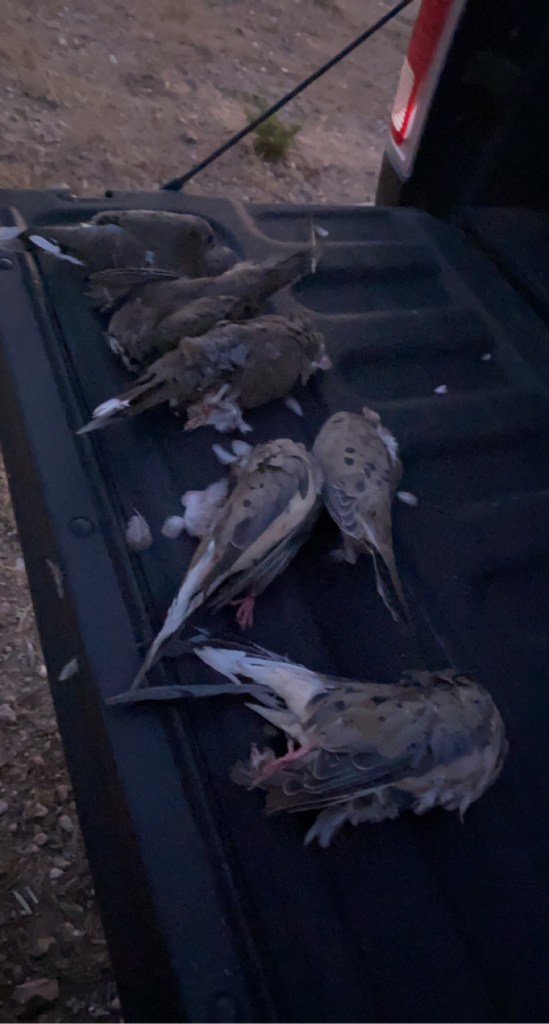
Doves fly in small flocks usually. I was able to get these in about 15 minutes all flying in groups of two.

Arizona has some of the best dove hunting.

I had a great season in 2021 and this is the time where I start looking for things that will give me the edge next season.

I currently live in the Mesa/ Gilbert area and I like to hunt doves in that general area.

Unfortunately my favorite dove field has been replaced by a brand new subdivision so I had to go out and find a few more replacement spots.

First you want to find where the dove are flying so you know where to set up to hunt.

Dove follow follow a path when they fly and need bare open ground or a a pretty open branch to land on since they have tiny little weak legs.

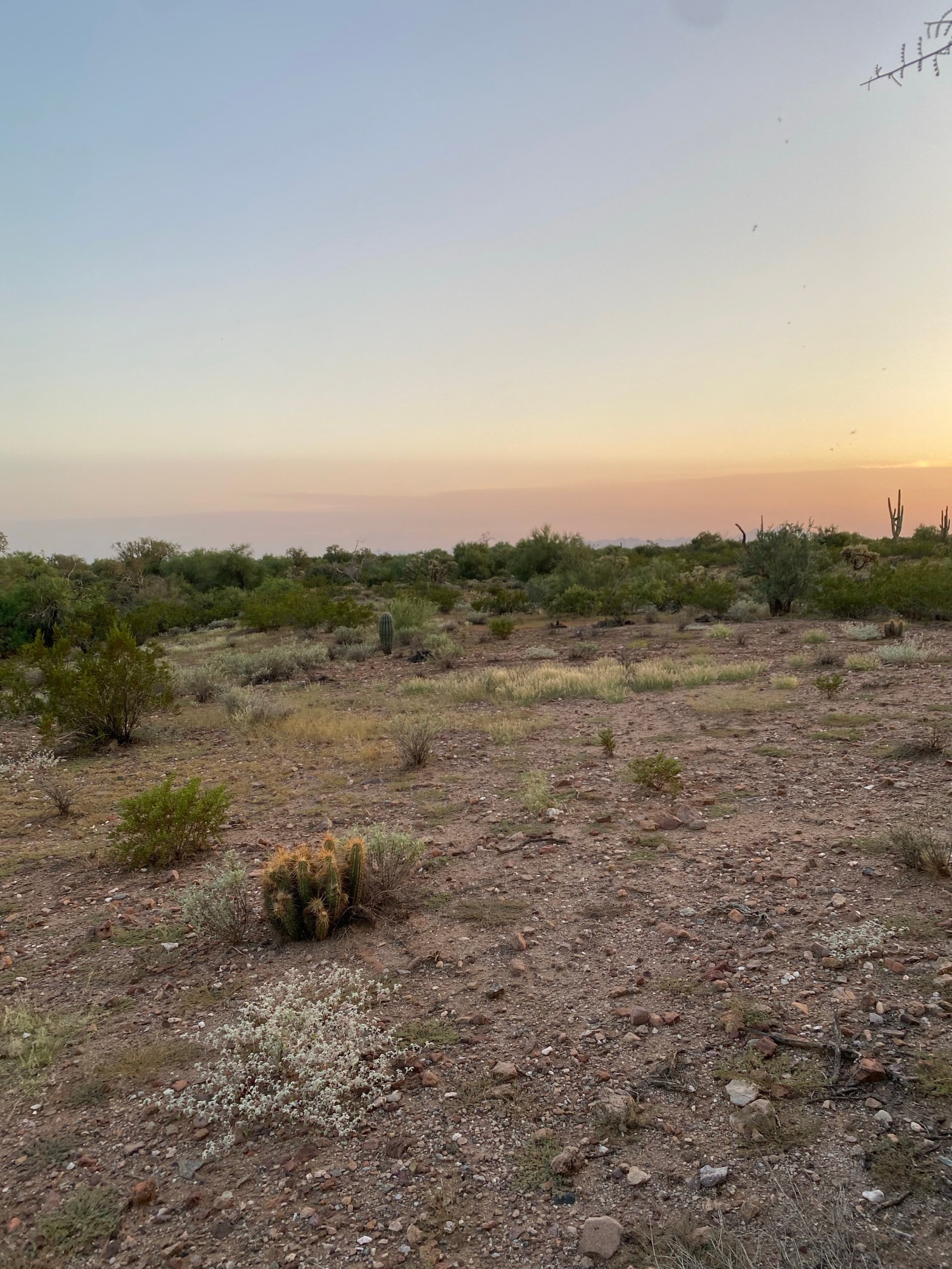
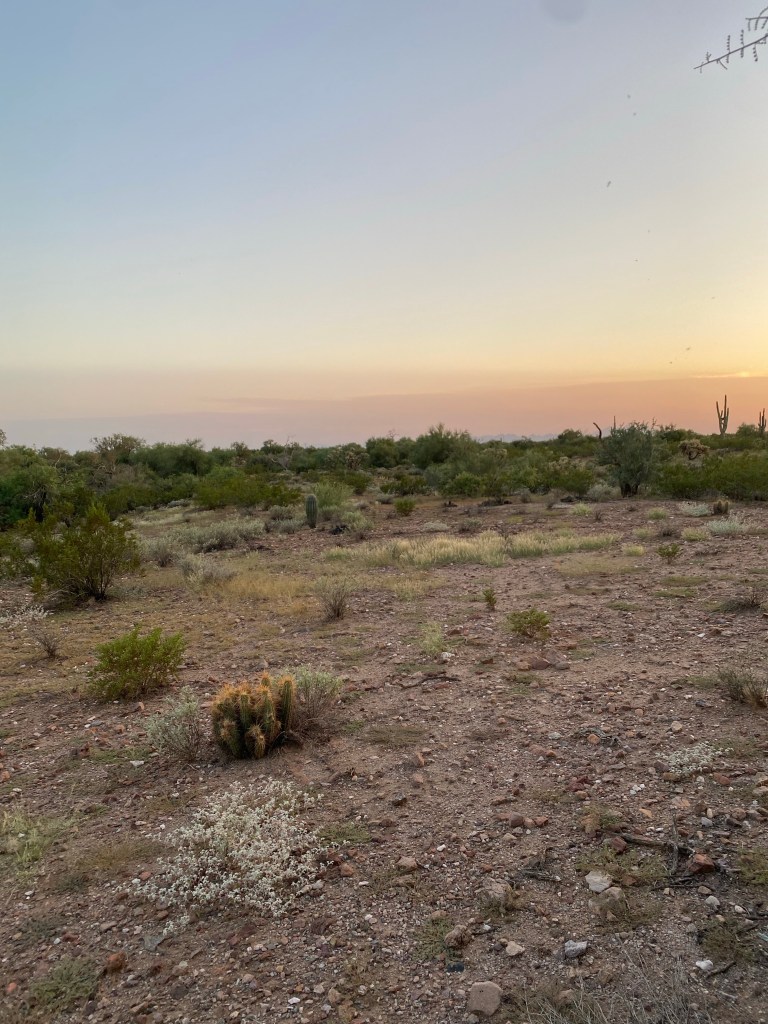
I was able to simply sit near a bush in this area and that provided enough cover for me to shoot from. Notice the open ground for the Dove to come fly in and land and eat seeds from that grass.

I like to start by positioning myself near a large water source like the canals or a river.

From there I’ll watch to see where the birds are flying. I like to hop up on a hilltop and glass the surrounding area.

If you’re near a water source in the desert you’ll see dove. The trick is to watch where they are flying to.

Once I see the direction they’re flying I like to look for a landmark, because doves tend to fly point to point following large landmarks.

Once I see the path the doves are flying I’ll go walk it to find a good place to set up.

WHen I’m looking for somewhere to set up I look for naturally choke ponts like hills or trees thatwill funnel the birds into one area.

I also look to see if they are landing anywhere already and I look for spots where they are likely to land.

They eat seeds so I’ll look for a spot with some light foliage but plenty of bare ground so that they can land.

Setting Up Your Shooting Position

Once I have found a place where I have seen the dove land I am in a flight path I’ll look for somewhere to set up.

You don’t have to hide that much to hunt dove. Basic camo and sit next to a tree or bush and hold still.

I’ll just wear some inexpensive camo clothing and that is usually more than enough.

I like to find a big bush or tree to stand by or in front of and that hides me enough. With Dove just don’t stand in the open.

I’ll set out 1-2 mojo birds and a few regular dove decoys. I’ve also been having a lot of success using the mojo dove-a-flickers.

Side Note: If you’re going to buy a bunch of decoys for dove the links above will take you to exactly what I use, but you can usually get deals right after a season ends.

I’ll set the mojo and decoys up above the ground on the highest spot so that they are easily visible from as many directions as possible.

Once you’re set up you should have some doves fly in to check out your decoys or if you’re in a busy enough flight path they’ll be flying over.

Wiat to take your shot until the dove is actually in range. If you shoot early you’re only going to injure the bird.

I try and shoot them within 30 yards that way they go down rather than just getting injured. This is why decoys can help so much.

Equipment

I typically take a 12 gauge or 20 gauge, but I prefer the 12 gauge.

I use a simple 1 oz #7.5 shot load that I reload that is pretty similar to a Winchester AA, but #7.5 or #8 shot target load is perfect for dove.

Depending on the time of the season you can get pretty close to the dove. I’ll start the season with an improved cylinder choke and switch to a modified as the doves keep more distance.

Remember to have fun and be responsible so we can continue to enjoy dove hunting.

Read about Bass Fishing on The Salt River

Disclaimer: I only recommend products I have used and truly would use again. Some of the links on this site are affiliate links and may result in me getting a commission though they don’t affect my reviews.

Bass Fishing on The Salt River

The Salt River is a great place for largemouth bass fishing.

Fisrst thing to know is how the water level changes on the river.

During the river they open the Stewart Mountain Dam at Saguaro Lake and the river will be flowing around at 1000-1500 cubic feet per second, but during winter they can lower it all the way down to 8 cfs.

During the summer when the waterflow is heavy you won’t find Bass in the rapids as much.

The bass will position themselves in slow pools just outside of the waterflow usually on rocky outcroppings on the side of the river.

They’ll also hide behind large rocks in the middle of the river as well as downed trees that end up in the river or along the bank.

Bass will hide in these spots orient themselves to look up river and catch food as it flows down the river. This is key to catching bass. They won’t eat what they don’t see.

Once you have identified a place with cover where bass could be cast just beyond that spot and pull your lure back past where you think the fish is.

This pool on the Salt River is the perfect example of where Largemouth Bass can be found. I caught this one with a plastic crawdad.

In the winter when the water is lower I still like to look for small pools that a bass could be resting in but I’ll find them out in the middle of the river as well.

Remember to go slower in the winter as well since the bass slowdown as well with the cold.

If there is a lot of grass I like to pull a weedless lure through those as well, because largemouth bass love to hang out there and strike at passing fish.

I’ll also slowly pull spinners through the open water when it’s calm and actually have had quite a bit of luck.

If you’re in an area without a lot of weeds jerkbaits work really well on the Salt River.

Just simply cast out and do a few jerks on the lure using the rod then reel in the slack.

On really rocky sections near the bank I’ve had a lot of luck with plastic Crawdads on an offset hook with a bullet sinker.

With the plastic crawdads its really easy to take the exposed part of the hook and have it barely popping out of the crawdads back so that it doesn’t catch onto all the weeds.

Little Largemouth Bass I caught with a wooly bugger on a fly rod

So the most important thing when bass fishing is to always be looking for resting spots where the bass are likely to hang out. These are always the best places to try first.

Good luck, have fun and remember to pick up after yourself.

Read About Trout Fishing on the Salt River

Disclaimer: I only recommend products I have used and truly would use again. Some of the links on this site are affiliate links and may result in me getting a commission though they don’t affect my reviews.

Trout Fishing on Big Lake, Arizona

Big Lake is located in Northern Arizona just outside Greer, Arizona.

Big Lake is known for it’s trout fishing, and every year they stock it in fall with nearly half a million Rainbow and Cutthroat trout fingerlings that grow up and behave like wild trout.

Since these fish grow up in the lake they behave differently than the trout that are seasonally stocked in the phoenix area.

My preferred method is to rent a boat at the shop there and go out on the lake with rooster tails, spoons and spinners.

All 3 of those you’ll want to cast out towards the shore or a feeding area and just do a slow steady retrieve back.

That’s all there is to it. The lake is stocked very well if you aren’t catching fish switch lures or move to a slightly different spot.

Depending on the time of day you’ll want to go deeper. If it’s a hot day and it’s been hot go deeper. If it’s cold out and the water is cold go to the shallow areas where the trout can corner the bait fish in shallow water.

When using a lure always look for small minnows and baitfish swimming in the water.

Cast so that you can drag your lure through the school of baitfish. Trout eat baitfish and wherever they are you’ll find trout.

If you’re fishing from the shore the same lures will work, but I’d take advantage of Arizona’s two pole privilege and throw another baited hook out there.

To use bait I recommend using a floating powerbait with a splitshot about 6-18 inches above the hook so that the bait floats off the bottom.

The other alternative that I prefer, because I’ve had better results is to use a night crawler and a bobber.

Situate your bobber about 12-36 inches above the worm and get it out there.

Worms work really well up in the white mountains, because the fish are used to them there naturally.

In fact, if you buy night crawlers in Arizona they probably came from the White Mountains.

Cutthroat Trout I caught with a night crawler at Big Lake.

If you’re fly fishing I like to watch the water if I see trout surfacing I’ll throw a dry fly otherwise I try a few different streamers.

When picking a lure, fly or streamer always remember bright day bright lure, dark day dark lure. Clear water flashy lure and murky water noisy lure.

Have fun and remember to pick up after yourself so we can continue to enjoy Big Lake.

Check out Trout Fishing on the Salt River

Disclaimer: I only recommend products I have used and truly would use again. Some of the links on this site are affiliate links and may result in me getting a commission though they don’t affect my reviews.